FROM FANS TO PROFESSIONALS: FIVE ARTISTS WHO TURNED PASSION INTO CAREERS

The gaming industry is witnessing a remarkable shift in how talent is discovered and recruited. Major studios are increasingly turning their attention to their own fan communities, recognizing that the most passionate and skilled artists often emerge from the very audiences they serve. This article profiles five exceptional fan artists whose dedication to creating artwork for their favorite games opened doors to professional opportunities with major studios, illustrating how the line between fan and professional continues to blur in exciting new ways.
The Rise of Community-Driven Recruitment
The traditional path to a career in game art typically involved formal education, portfolio reviews, and competitive application processes. However, social media platforms and online communities have democratized visibility, allowing talented artists to showcase their work directly to millions of viewers—including the very developers whose games inspire them. Studios like Riot Games, Blizzard Entertainment, and CD Projekt Red have established dedicated community art programs, actively monitoring fan creations and reaching out to exceptional talent.
This shift represents more than just a new recruitment strategy; it reflects a fundamental change in how gaming companies view their relationship with fans. By hiring from within their communities, studios gain artists who already possess deep knowledge of their game universes, understand player perspectives intimately, and bring authentic passion to their work. These artists don't need extensive onboarding to understand what makes their games special—they've been living and breathing these worlds for years.
The phenomenon has created a virtuous cycle: as more fan artists transition to professional roles, aspiring creators see tangible proof that their passion projects can lead to career opportunities. This has energized fan art communities, raising the overall quality of work and fostering collaborative environments where artists push each other to improve. The result is a talent pipeline that benefits both individual creators and the industry as a whole.
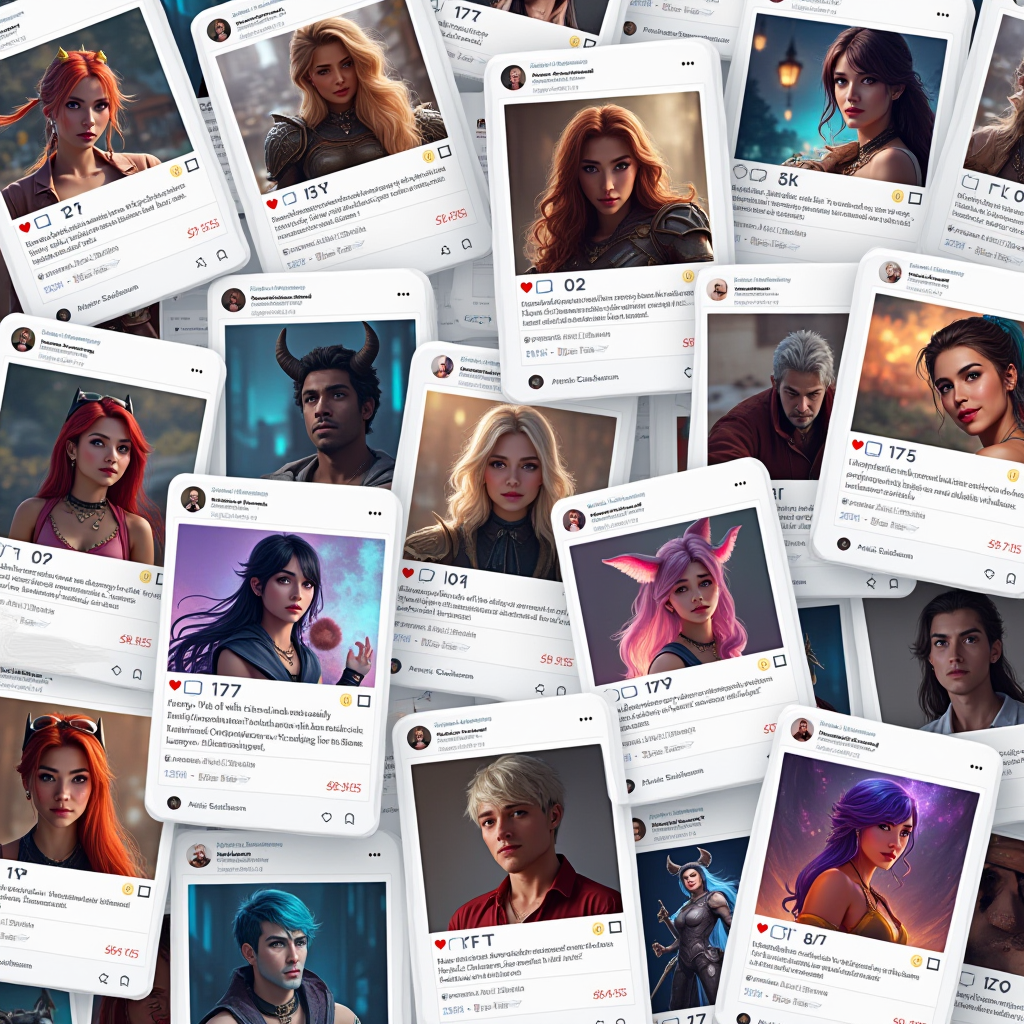
Industry analysts note that this trend aligns with broader changes in creative industries, where authenticity and community connection have become increasingly valuable. Gaming companies recognize that hiring fan artists sends a powerful message to their communities: we see you, we value your creativity, and we want to work with you. This approach builds goodwill and strengthens the emotional bonds between players and the games they love.
Sarah Chen: From League of Legends Fan Art to Riot Games Concept Artist
Sarah Chen's journey began in 2019 when she started posting League of Legends character reimaginings on Twitter during her final year of art school. Her distinctive style—blending traditional East Asian aesthetics with futuristic cyberpunk elements—quickly gained traction within the League community. What set Sarah apart wasn't just technical skill, but her deep understanding of champion personalities and lore. Each piece told a story, capturing not just how characters looked, but who they were.
By 2021, Sarah's follower count had grown to over 150,000, and her posts regularly received tens of thousands of likes. Riot Games' community team had been following her work for months, impressed by her consistent output and creative vision. When a position opened in their concept art department, they reached out directly. "They told me they'd been watching my work evolve," Sarah recalls. "They didn't just see an artist with technical skills—they saw someone who genuinely understood what made League special to players."
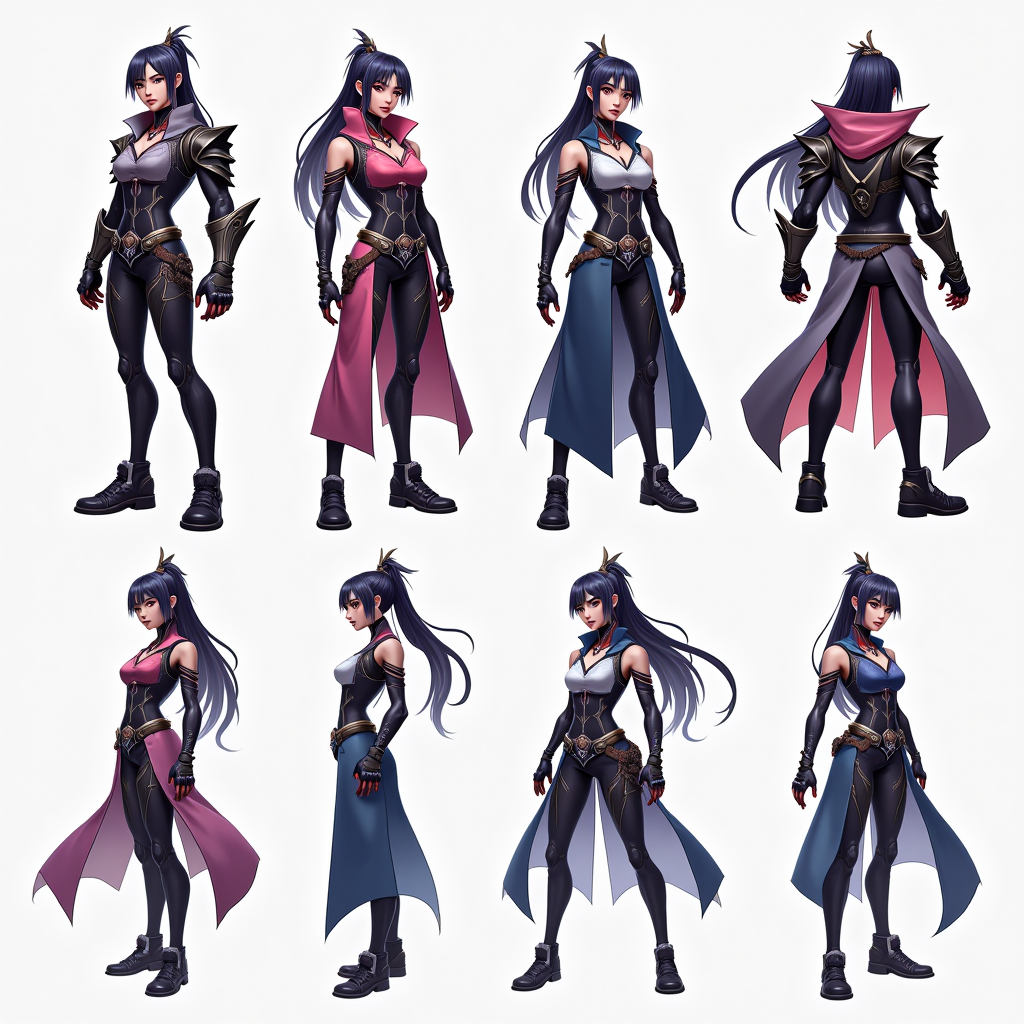
The transition from fan artist to professional wasn't without challenges. Sarah had to adapt to working within established pipelines, meeting deadlines, and collaborating with large teams. However, her background as a fan artist proved invaluable. "I already knew what players responded to," she explains. "I understood the community's expectations and could anticipate how they'd react to design choices. That perspective is something you can't teach in art school."
Today, Sarah has contributed to multiple champion designs and skin lines, including work on several high-profile releases. She remains active in the fan art community, often sharing behind-the-scenes glimpses of her professional work and encouraging aspiring artists. Her story has inspired countless others to pursue their passion, demonstrating that dedication and authentic love for a game can open professional doors.
Marcus Rodriguez: Overwatch Animator Who Started on YouTube
Marcus Rodriguez's path to Blizzard Entertainment began with a simple YouTube channel where he posted animated shorts featuring Overwatch characters. Starting in 2020, Marcus created humorous skits and action sequences that captured the personalities of heroes like Tracer, Genji, and Mercy. His animations weren't just technically impressive—they demonstrated an intuitive grasp of character movement, timing, and the game's distinctive visual language.
What made Marcus's work stand out was his attention to detail. He studied how each character moved in-game, analyzing their animations frame by frame to ensure his fan creations felt authentic. His action sequences incorporated actual ability effects and maintained the kinetic energy that made Overwatch's gameplay so satisfying. The Overwatch community embraced his work enthusiastically, with some videos accumulating millions of views.
Blizzard's animation team noticed Marcus's work in early 2024. They were particularly impressed by a fan-made animated short he'd created for an Overwatch community contest, which showcased not just technical skill but storytelling ability and emotional depth. After several conversations and a portfolio review, they offered him a position as a junior animator. "They told me they valued my understanding of what made Overwatch characters feel right," Marcus says. "All those hours studying in-game animations had given me insights that aligned perfectly with their design philosophy."
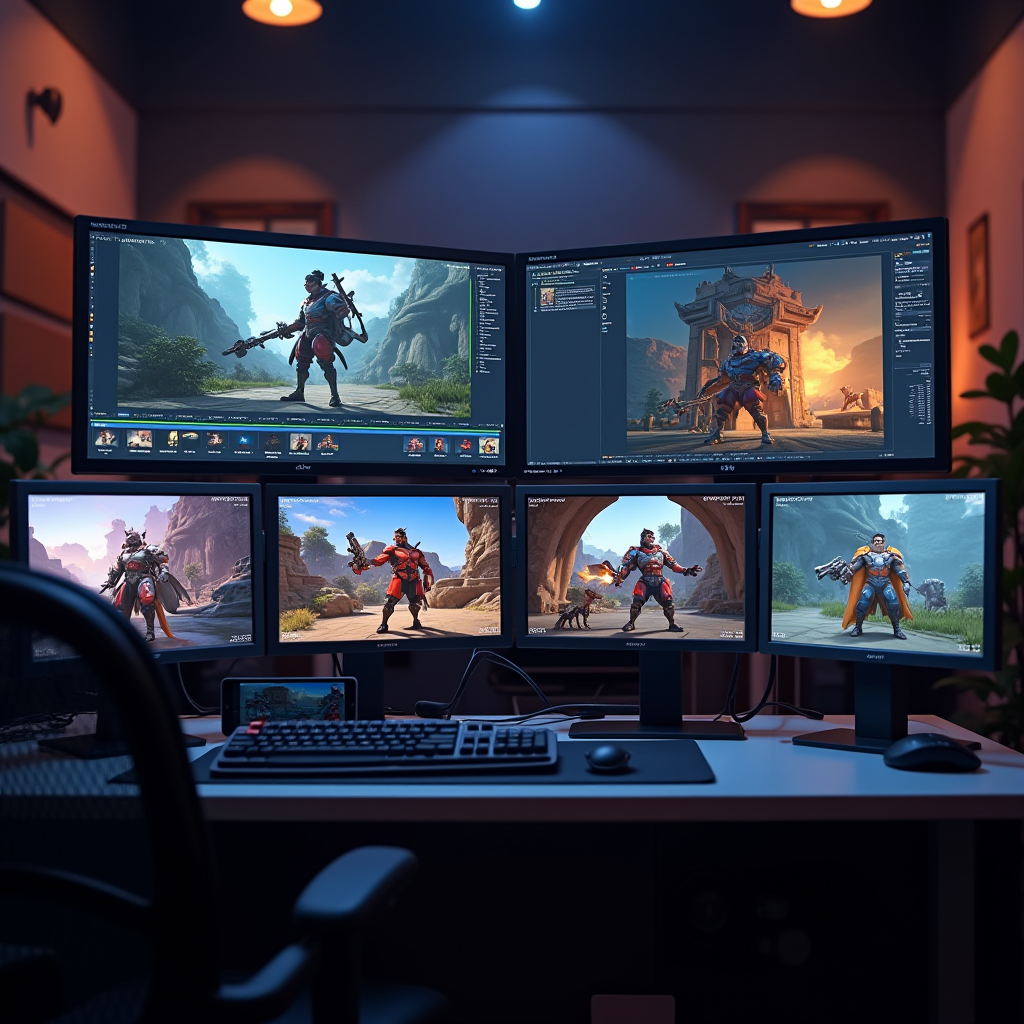
Marcus's transition involved learning industry-standard tools and adapting to production pipelines, but his fan work had already prepared him for many challenges. He understood the importance of consistency in character animation and had developed strong fundamentals through self-directed learning. Within his first year at Blizzard, he contributed to cinematics for new hero releases and seasonal events, bringing the same passion that had driven his fan animations to professional projects.
His story highlights how platforms like YouTube have become viable pathways to professional opportunities. By consistently creating and sharing work, Marcus built both a portfolio and a public demonstration of his dedication—qualities that traditional application processes might not fully capture. He continues to encourage aspiring animators to share their work online, emphasizing that visibility and community engagement can be as valuable as formal credentials.
Elena Volkov: The Witcher Fan Artist Recruited by CD Projekt Red
Elena Volkov's intricate illustrations of The Witcher universe caught CD Projekt Red's attention through her presence on ArtStation and Instagram. Her work stood out for its meticulous attention to Slavic folklore elements and her ability to capture the dark, atmospheric tone that defines The Witcher series. Elena didn't just draw characters—she created fully realized scenes that felt like they could exist within the game world, complete with environmental storytelling and rich detail.
Between 2021 and 2024, Elena produced dozens of Witcher-inspired pieces, each demonstrating her growing mastery of digital painting techniques and her deep knowledge of the source material. She researched medieval Polish architecture, studied traditional costume designs, and incorporated authentic cultural elements into her work. This dedication to authenticity resonated strongly with CD Projekt Red's art team, who valued artists capable of maintaining the series' cultural integrity.
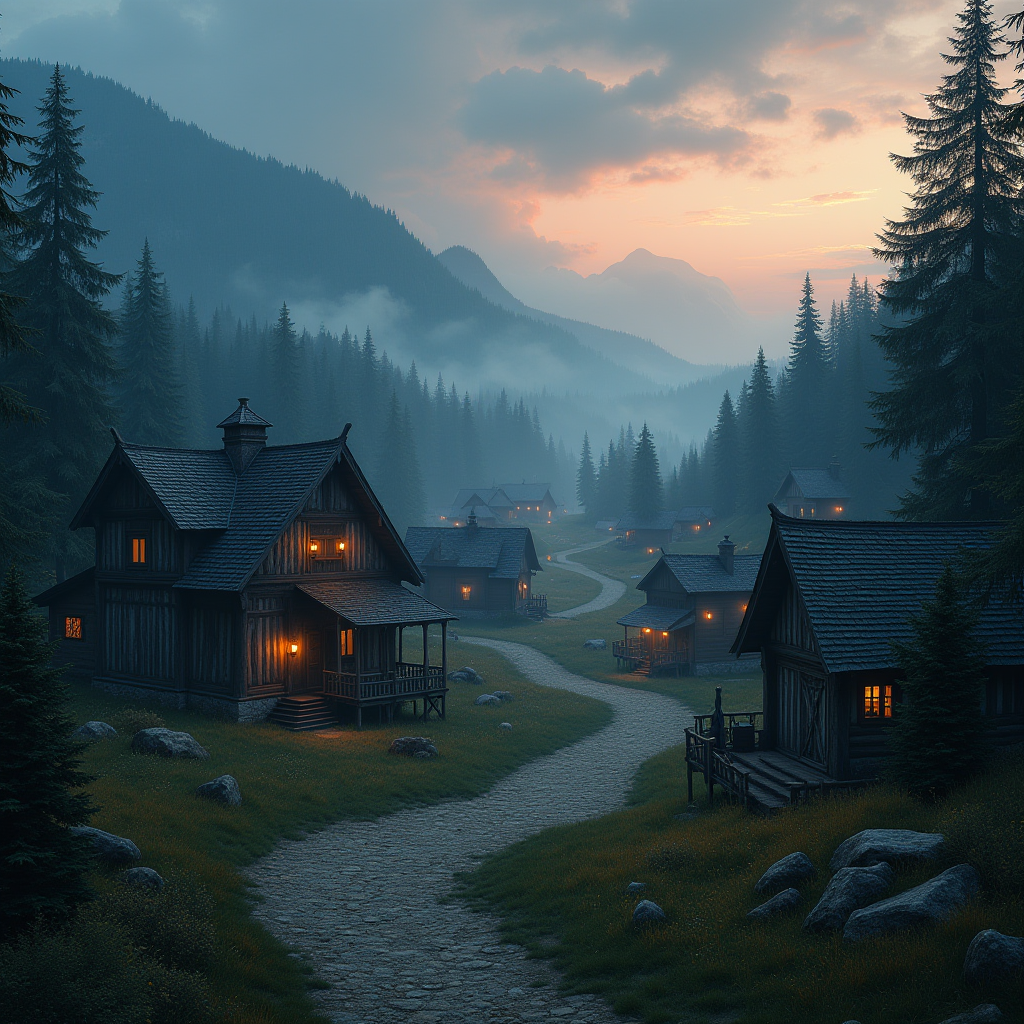
When CD Projekt Red began expanding their art team in mid-2024, Elena's name came up repeatedly in internal discussions. The studio reached out, impressed not just by her technical abilities but by her obvious passion for their universe. "They appreciated that I'd done my homework," Elena explains. "I wasn't just drawing pretty pictures—I was engaging with the cultural and historical elements that make The Witcher unique. That research-driven approach aligned perfectly with their development philosophy."
Elena now works as an environment concept artist, contributing to upcoming projects within The Witcher franchise. Her background as a fan artist gives her unique insights into what players expect from the series' visual identity. She brings an outsider's perspective that helps the team see their work through players' eyes, while her professional training ensures she can execute within production constraints. Her journey demonstrates how fan artists who invest in understanding a game's cultural and thematic foundations can become invaluable professional assets.
James Park: From Destiny Fan Comics to Bungie's Narrative Art Team
James Park's journey into professional game art took an unconventional route through sequential storytelling. Starting in 2020, James created fan comics exploring Destiny's lore, filling in narrative gaps and expanding on character relationships. His comics combined strong visual storytelling with deep knowledge of Destiny's mythology, creating content that resonated powerfully with the game's lore-focused community.
What distinguished James's work was his ability to convey complex narrative concepts through visual sequences. He understood pacing, panel composition, and how to use visual metaphors to enhance storytelling. His comics often explored themes of Light and Darkness, sacrifice and redemption—core concepts in Destiny's narrative—with sophistication that matched the game's own storytelling ambitions. The Destiny community embraced his work, with some comics being shared thousands of times across social media platforms.
Bungie's narrative team had been following James's work for over a year when they decided to expand their visual storytelling capabilities. They were developing new ways to present lore and wanted artists who could bridge the gap between traditional concept art and sequential narrative. James's portfolio demonstrated exactly those skills. "They saw that I could take complex lore concepts and make them accessible through visual storytelling," James recalls. "That's a specific skill set that's valuable for how they want to present Destiny's universe."
Since joining Bungie in early 2025, James has contributed to various narrative presentation projects, including lore books, promotional materials, and in-game visual storytelling elements. His background creating fan content gives him unique insights into how players engage with Destiny's lore and what kinds of visual storytelling resonate most strongly. He's become an advocate within Bungie for more visual narrative content, drawing on his experience in the fan community to inform development decisions.
James's story illustrates how fan artists who develop specialized skills—in his case, sequential storytelling combined with deep lore knowledge—can find niches within professional studios. His journey also highlights the value of creating content that serves a specific community need, demonstrating both artistic skill and understanding of what audiences want.
Aisha Patel: Indie Game Fan Artist Turned Character Designer
Aisha Patel's path differs from the others in that she found success with smaller indie studios before eventually working with larger companies. Her fan art focused on indie games like Hollow Knight, Celeste, and Hades—titles with distinctive art styles and passionate communities. Aisha's work demonstrated remarkable versatility, adapting her style to match each game's aesthetic while adding her own creative interpretations.
What made Aisha's portfolio compelling was her ability to understand and replicate diverse art styles while maintaining consistent quality. She could shift from Hollow Knight's hand-drawn aesthetic to Hades' bold, graphic novel-inspired look, demonstrating both technical flexibility and artistic intelligence. This versatility caught the attention of several indie developers who valued artists capable of working across different visual languages.
In 2024, a small indie studio working on a narrative-driven adventure game reached out to Aisha after seeing her fan art. They needed a character designer who could work within their limited budget while bringing creative vision to the project. Aisha's experience creating fan art had taught her to work efficiently and iterate quickly—skills that proved invaluable in the resource-constrained indie environment. Her contributions helped shape the game's visual identity, and her work was featured prominently in the game's marketing materials.
The success of that project led to more opportunities. By 2024, Aisha was freelancing for multiple indie studios while also catching the attention of larger companies impressed by her diverse portfolio. She recently accepted a position with a mid-sized studio working on an unannounced project, bringing her experience from both fan art and indie development. Her journey demonstrates that the path from fan artist to professional doesn't always lead directly to major studios—sometimes the most valuable experience comes from working with smaller teams where individual contributions have greater impact.
Aisha's story also highlights the importance of versatility in today's game industry. Her ability to adapt to different art styles and work within various constraints makes her valuable across different types of projects. She encourages aspiring fan artists to experiment with multiple styles and games, building diverse portfolios that demonstrate range alongside passion.
The Future of Fan-to-Professional Pathways
These five artists represent a growing trend that's reshaping how the gaming industry identifies and recruits talent. Their stories share common threads: consistent output, deep engagement with source material, active community participation, and the courage to share work publicly. Each artist built their reputation not through traditional channels but through direct engagement with gaming communities, demonstrating their skills and passion in public forums where both fans and industry professionals could see their work.
The implications of this trend extend beyond individual success stories. As more studios recognize the value of hiring from their fan communities, they're creating formal programs to identify and nurture talent. Riot Games' community art showcases, Blizzard's fan art contests, and CD Projekt Red's community engagement initiatives all serve dual purposes: celebrating fan creativity while scouting for potential hires. This approach benefits everyone—fans get recognition and opportunities, studios gain passionate talent, and communities see their members succeed.
However, this pathway isn't without challenges. Not every talented fan artist wants to or can transition to professional work. The demands of production schedules, creative constraints, and collaborative workflows differ significantly from the freedom of fan art creation. Some artists find that professional work diminishes their passion, while others thrive in structured environments. The key is recognizing that fan art and professional art serve different purposes, and success in one doesn't guarantee satisfaction in the other.
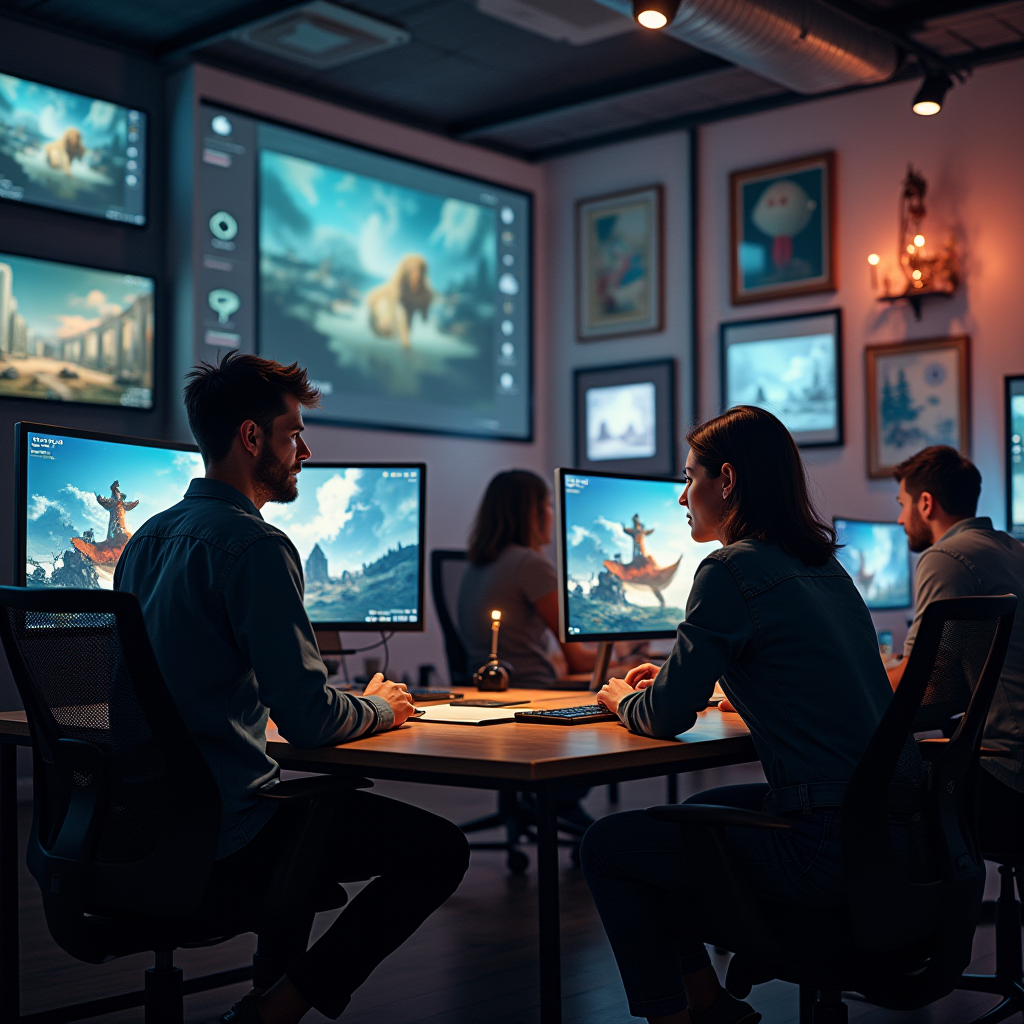
For aspiring artists hoping to follow similar paths, these stories offer valuable lessons. Consistency matters—all five artists maintained regular output over extended periods. Community engagement is crucial—they didn't just post art but participated in discussions, responded to feedback, and built relationships. Quality and authenticity trump quantity—each artist developed distinctive voices rather than simply mimicking existing styles. And perhaps most importantly, they created because they loved the games, not solely to get hired. That authentic passion shines through in their work and ultimately caught industry attention.
The gaming industry's embrace of fan artists reflects broader changes in how creative industries operate. Traditional gatekeepers matter less when talent can demonstrate skills directly to global audiences. Social media platforms have democratized visibility, allowing exceptional work to find audiences regardless of formal credentials or industry connections. This shift empowers individual creators while giving companies access to diverse talent pools they might never have discovered through conventional recruitment.
Looking forward, we can expect this trend to accelerate. As younger generations grow up creating and sharing digital art online, the distinction between fan and professional will continue to blur. Studios that embrace this reality and build genuine relationships with their creative communities will have significant advantages in attracting passionate, skilled talent. The future of game art may well be shaped by artists who started as fans, bringing their love for games into professional practice and enriching the industry with their unique perspectives.
These five artists—Sarah, Marcus, Elena, James, and Aisha—represent just the beginning of this transformation. Their journeys from fan artists to professionals illuminate a path that countless others are now following, proving that passion, dedication, and talent can indeed turn fandom into career. As the gaming industry continues evolving, the contributions of fan artists will become increasingly central to how games are created, ensuring that the voices of passionate players help shape the experiences they love.