The Narrative Architects: How Fan Fiction Communities Build Universes Beyond the Game
A deep dive into the thriving fan fiction ecosystems surrounding Mass Effect, Dragon Age, and Hades, where passionate writers craft interconnected story universes that rival official content in scope, depth, and emotional resonance.
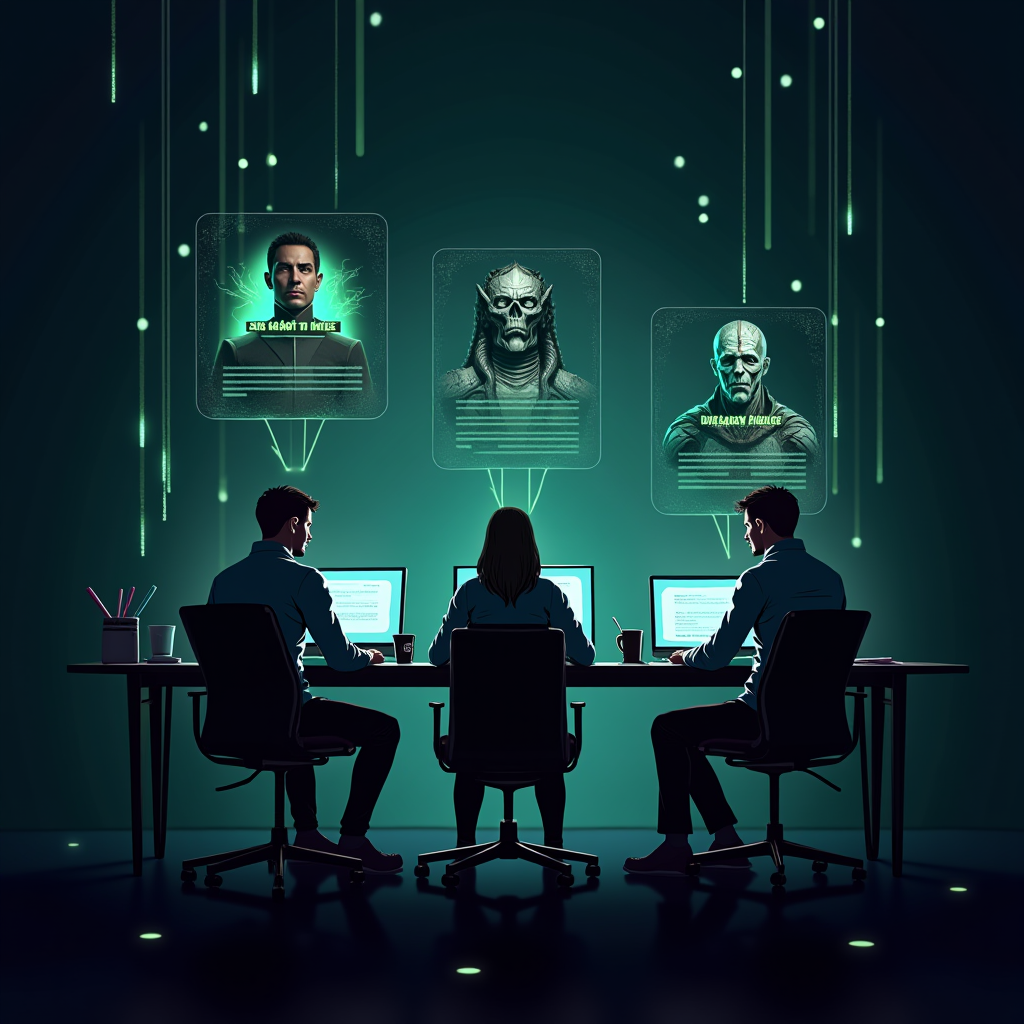
In the digital corners of Archive of Our Own, FanFiction.net, and countless Discord servers, a quiet revolution unfolds daily. Thousands of writers pour their passion into crafting stories that extend, reimagine, and deepen the narratives of their favorite games. These aren't casual hobbyists scribbling in margins—they're dedicated narrative architects building interconnected universes that sometimes surpass official content in emotional depth, character exploration, and world-building complexity.
The fan fiction communities surrounding games like Mass Effect, Dragon Age, and Hades represent some of the most vibrant and productive creative ecosystems in modern gaming culture. With hundreds of thousands of stories collectively spanning millions of words, these communities have transformed how we think about game narratives, player agency, and the boundaries between official and fan-created content.
This exploration examines how these writers fill narrative gaps left by developers, explore character depths that time and budget constraints prevented in the original games, and create sprawling story universes that demonstrate the incredible creative potential of engaged gaming communities.
Filling the Gaps: When Players Become Storytellers
Every game, no matter how expansive, leaves narrative gaps. Budget constraints, time limitations, and design choices mean that certain character relationships remain unexplored, plot threads dangle tantalizingly unresolved, and entire time periods between major events exist only as implied history. For fan fiction writers, these gaps aren't frustrations—they're invitations.

The Mass Effect trilogy, despite its epic scope, left countless moments unexplored. What happened during the two years Shepard was dead between ME1 and ME2? How did the crew process that loss? Fan fiction writers like "Asari Scientist" and "N7 Operative" have crafted entire novel-length works exploring these gaps, creating stories that feel so authentic to the source material that readers often cite them when discussing character development.
Dragon Age presents similar opportunities. The ten-year gap between Origins and Inquisition spawned thousands of stories exploring how characters evolved, how political landscapes shifted, and how personal relationships developed during that crucial decade. Writers don't just fill these gaps—they construct intricate, interconnected narratives that reference each other's work, building a shared expanded universe that rivals official lore in complexity.
These gap-filling stories serve a crucial function: they satisfy the hunger for more content while the community waits years between official releases. They keep the conversation alive, maintain engagement, and ensure that the game's universe continues to feel vibrant and lived-in even during content droughts.
Character Depth: Exploring What Games Can't
Video games face inherent limitations in character exploration. Voice acting budgets, animation costs, and gameplay pacing mean that even the most character-driven games can only scratch the surface of their cast's psychological depths. Fan fiction writers operate under no such constraints, and they use that freedom to extraordinary effect.
Consider Garrus Vakarian from Mass Effect. In the games, he's a beloved companion with memorable dialogue and a compelling arc. In fan fiction, he becomes something more—a fully realized character whose internal struggles, cultural conflicts, and personal growth receive the kind of detailed exploration typically reserved for literary fiction. Writers examine his trauma, his relationship with his father, his struggles with leadership, and his evolving worldview across hundreds of thousands of words.

The Dragon Age community takes this even further with characters like Solas, whose mysterious nature and complex motivations have spawned an entire subgenre of fan fiction dedicated to understanding his perspective. Writers craft stories from his point of view, exploring millennia of history, examining his relationships with spirits, and delving into the philosophical questions that drive his actions. These stories don't just entertain—they enhance players' understanding of the official content, providing context and depth that enriches subsequent playthroughs.
Hades presents a unique case study. Despite being a roguelike with limited narrative space, its characters have inspired thousands of fan fiction works that explore their relationships, histories, and emotional lives in extraordinary detail. Writers examine Zagreus's complex family dynamics, Thanatos's struggles with duty versus desire, and Megaera's internal conflicts with a psychological sophistication that demonstrates how deeply players connect with well-crafted characters, regardless of the game's genre or format.
Building Interconnected Universes: The Shared Canon Phenomenon
Perhaps the most fascinating aspect of these fan fiction communities is how they've developed their own shared canons—interconnected story universes where multiple writers contribute to a collective narrative that exists parallel to the official games. These aren't random collections of stories; they're carefully coordinated efforts that demonstrate remarkable organizational sophistication and creative collaboration.
The Mass Effect community has developed several major "fanon" universes where dozens of writers contribute stories that reference and build upon each other's work. Characters introduced in one writer's story appear in another's. Plot developments in one narrative have consequences that ripple through others. These shared universes maintain continuity through detailed wikis, character databases, and timeline documents that rival official game lore in their comprehensiveness.
Dragon Age's fan fiction community has taken this concept even further with "collaborative world states"—shared alternate universes where writers collectively decide on major plot outcomes and then explore different aspects of that world. One popular collaborative universe explores what would have happened if certain key decisions in Inquisition had gone differently, with over fifty writers contributing stories that examine the political, social, and personal consequences of those changes.
These interconnected universes demonstrate something profound about modern fandom: the line between consumption and creation has blurred. Fans aren't just passive recipients of content—they're active participants in world-building, creating narrative ecosystems that sometimes exceed the original games in scope and complexity. They've essentially created their own expanded universes, complete with internal consistency, shared lore, and collaborative storytelling that rivals professional writing rooms.
Quality and Craft: When Fan Fiction Rivals Professional Writing
The stereotype of fan fiction as poorly written wish fulfillment has never been accurate, but it's particularly absurd when applied to the top tier of game fan fiction communities. Many of these writers produce work that matches or exceeds professional quality, with sophisticated prose, complex plotting, and emotional depth that would be at home in published novels.
Take "The Long Road" by Asari Scientist, a Mass Effect fan fiction that spans over 500,000 words and explores the aftermath of the Reaper War with novelistic sophistication. The work features multiple POV characters, intricate political plotting, and character development that unfolds across years of in-universe time. Readers consistently praise its prose quality, emotional resonance, and ability to capture the essence of the Mass Effect universe while expanding it in meaningful ways.
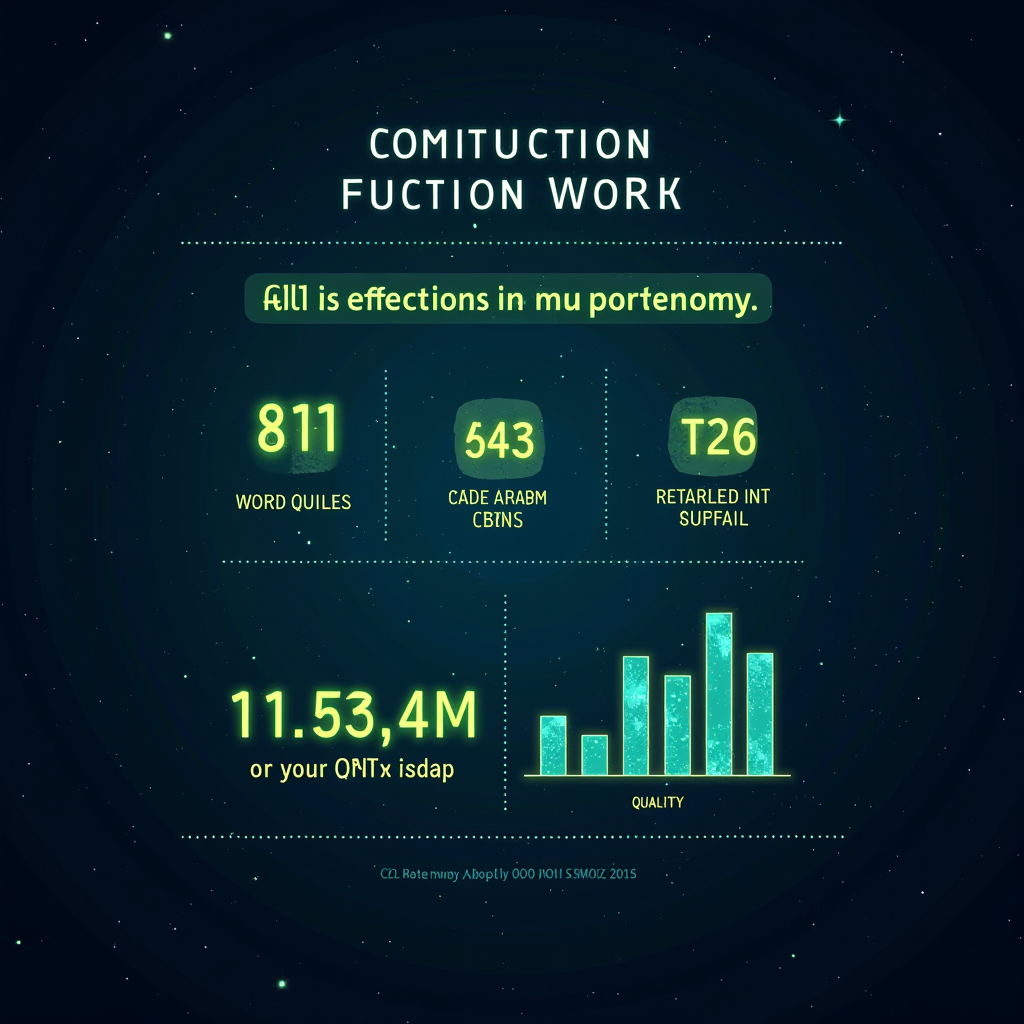
The Dragon Age community boasts similar achievements. Works like "The Dread Wolf's Heart" and "Inquisition's Shadow" demonstrate mastery of epic fantasy storytelling, with world-building that respects and expands upon the game's lore while introducing original elements that feel authentic to the setting. These aren't just stories—they're literary achievements that happen to be set in game universes.
What makes this quality possible? Several factors converge: passionate writers who've spent hundreds of hours with the source material, supportive communities that provide detailed feedback, and the freedom to take creative risks without commercial constraints. Many fan fiction writers are published authors, professional editors, or aspiring writers using fan fiction as a training ground. The result is a body of work that deserves serious critical attention and demonstrates the creative potential of engaged gaming communities.
Community Impact: How Fan Fiction Strengthens Gaming Fandoms
The impact of these fan fiction communities extends far beyond the stories themselves. They serve as social hubs, creative incubators, and loyalty engines that keep gaming communities vibrant and engaged for years after a game's release. The Mass Effect community remained incredibly active during the five-year gap between Mass Effect 3 and Andromeda largely because fan fiction writers kept producing content that maintained interest and engagement.
These communities also serve as entry points for new fans. Someone who discovers a well-written fan fiction might be inspired to play the game it's based on. The stories act as marketing, albeit unintentional, that extends a game's reach and lifespan. Dragon Age: Inquisition saw renewed interest in 2024 partly because fan fiction writers had kept the community active and welcoming to newcomers.
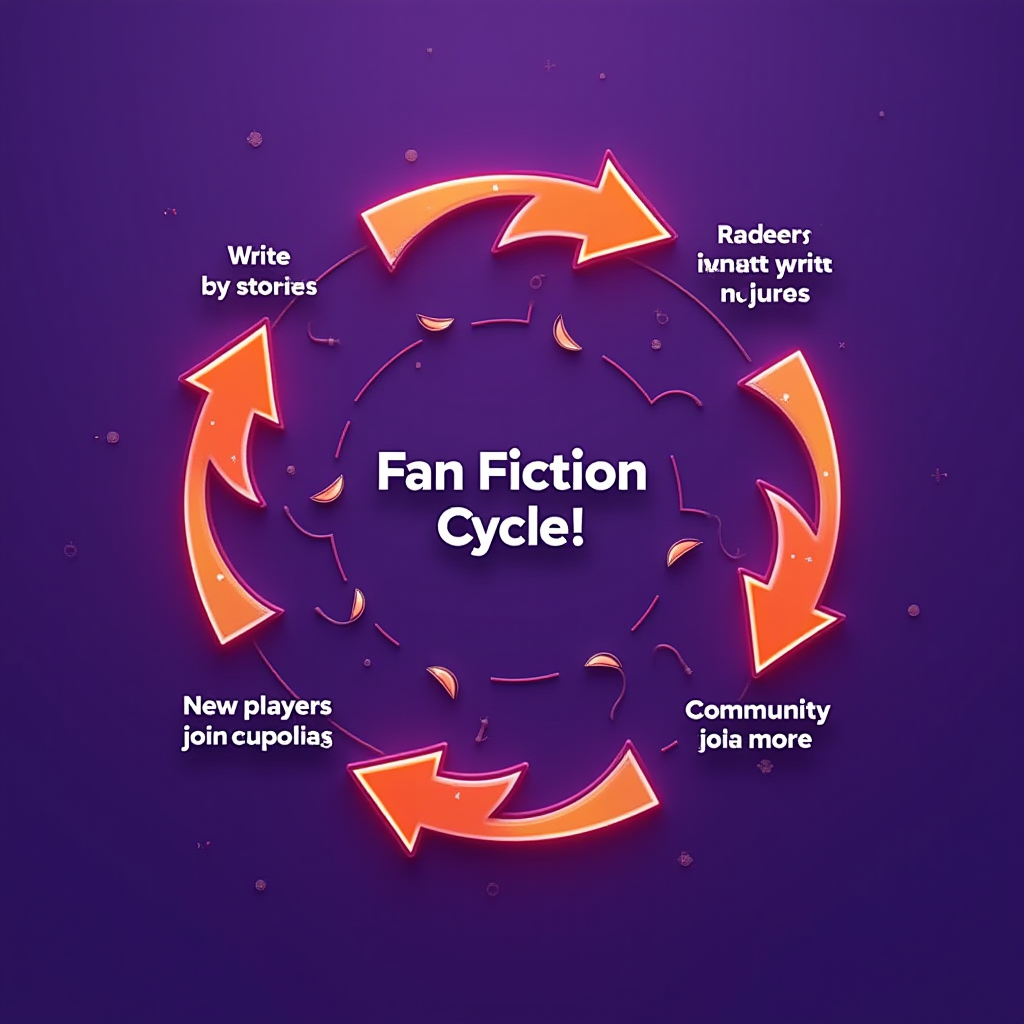
Fan fiction communities also provide valuable feedback to developers. While not all developers actively engage with fan fiction, many pay attention to what resonates with these passionate writers. The overwhelming interest in certain characters or relationships in fan fiction can influence official content decisions. The popularity of Garrus and Tali in Mass Effect fan fiction likely contributed to BioWare's decision to give them more prominent roles in later games.
Perhaps most importantly, these communities demonstrate the power of player creativity to extend and enhance game experiences. They prove that games can be more than products to be consumed—they can be foundations for ongoing creative collaboration, spaces where players become co-creators, and universes that continue to grow and evolve long after the developers have moved on to new projects.
The Future of Collaborative Storytelling
The fan fiction communities surrounding games like Mass Effect, Dragon Age, and Hades represent something revolutionary in gaming culture: the emergence of truly collaborative storytelling ecosystems where the boundaries between official and fan-created content blur, where player creativity extends game universes in meaningful ways, and where passionate communities keep beloved worlds alive and vibrant for years.
As games continue to evolve and the line between players and creators continues to blur, these fan fiction communities offer a glimpse of gaming's future—one where players aren't just consumers but active participants in world-building, where creativity flows in multiple directions, and where the stories we tell about the games we love become as important as the games themselves. The narrative architects of fan fiction communities aren't just filling gaps or exploring characters—they're demonstrating the incredible creative potential that emerges when passionate communities are given the freedom to build upon the foundations laid by game developers.

This article explores the creative ecosystems that emerge when passionate gaming communities embrace fan fiction as a legitimate form of creative expression. The works and communities discussed represent just a fraction of the incredible creativity flourishing in gaming fandom spaces worldwide.