MODDING FOR CHANGE: HOW PLAYER CREATIVITY ADDRESSES REPRESENTATION AND ACCESSIBILITY

In the vast landscape of gaming, modders have emerged as unsung heroes, wielding their technical skills and creative vision to address some of the industry's most pressing issues. While major studios grapple with questions of representation, accessibility, and social responsibility, passionate community members have taken matters into their own hands, creating modifications that transform games into more inclusive, accessible, and socially conscious experiences.
This examination explores how user-generated mods have become powerful tools for social change within gaming communities, featuring detailed case studies of modifications that have added diverse character options, improved disability features, and sparked important conversations about representation and accessibility. These creative gaming communities demonstrate that player creativity extends far beyond aesthetic enhancements—it can fundamentally reshape how we experience and interact with virtual worlds.
The Rise of Representation Mods
Representation in gaming has long been a contentious issue, with many players feeling excluded or misrepresented by default character options and narratives. Modders have stepped into this gap, creating extensive modifications that expand character customization options to include diverse skin tones, body types, gender expressions, and cultural representations that were absent from the original games.
One of the most notable examples comes from the role-playing game community, where modders have created comprehensive character creation overhauls. These mods don't simply add new hairstyles or clothing options—they fundamentally expand the range of identities players can embody. From adding realistic hair textures for Black characters to creating body sliders that accommodate different physiques, these modifications acknowledge that players want to see themselves reflected in the games they love.

The impact of these fan content in gaming initiatives extends beyond individual player satisfaction. When modders create diverse character options, they're making a statement about who belongs in gaming spaces. They're demonstrating that expanding game universes to include more voices and perspectives doesn't diminish the experience—it enriches it. These community-driven content projects have often influenced official game development, with some studios incorporating popular mod features into official updates or future titles.
Moreover, representation mods have created spaces for dialogue within gaming communities. When a modder releases a modification that adds hijab options or wheelchair-accessible character models, it opens conversations about why these options weren't included originally and what it means for players who have been waiting to see themselves represented. This aspect of game modding culture transforms technical modifications into social commentary and advocacy.
Breaking Barriers: Accessibility Modifications
While representation mods address who can see themselves in games, accessibility mods tackle who can actually play them. These modifications represent some of the most technically impressive and socially impactful work in the modding community, as they require deep understanding of both game mechanics and the diverse needs of players with disabilities.
Colorblind accessibility mods have become increasingly sophisticated, going beyond simple color palette swaps to implement comprehensive visual redesigns. These mods adjust UI elements, enemy indicators, puzzle solutions, and environmental cues to ensure that players with various forms of color vision deficiency can fully experience the game. Some modders have created multiple versions to accommodate different types of colorblindness, demonstrating the level of care and research that goes into these projects.
"When I installed the colorblind mod for my favorite strategy game, I cried. For the first time in years, I could distinguish between enemy and ally units without constantly checking the UI. It sounds small, but it completely changed my relationship with the game." — Community testimonial from accessibility mod user
Audio accessibility has also seen remarkable innovations through user-generated mods. Modders have created visual indicators for audio cues, implemented customizable subtitle systems with adjustable size and contrast, and even developed mods that translate important audio information into controller vibration patterns. These modifications acknowledge that gaming should be a multisensory experience accessible through various channels.
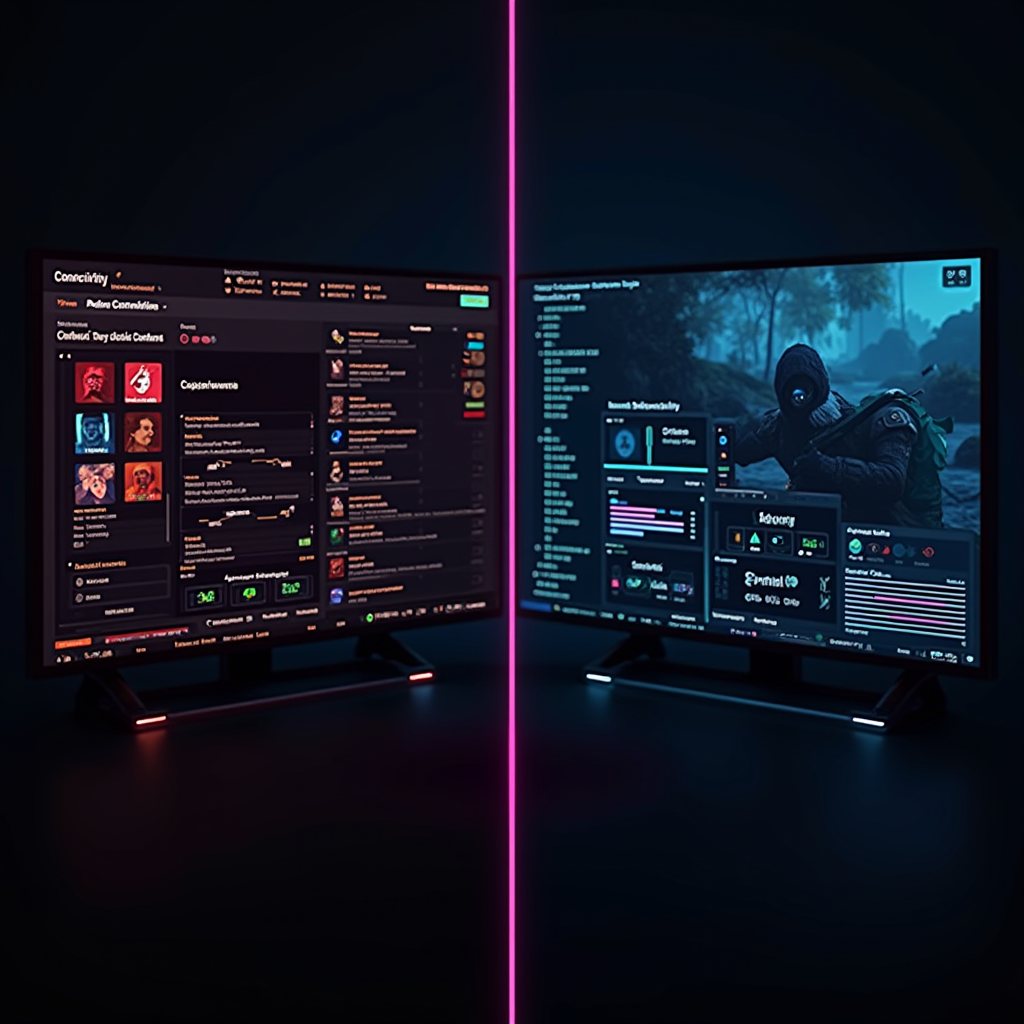
Motor accessibility mods represent perhaps the most technically challenging category, as they often require fundamental changes to game controls and timing. Modders have created one-handed control schemes, implemented customizable button mapping beyond what games natively offer, and developed mods that adjust quick-time event windows or remove them entirely. Some have even created companion software that works alongside games to provide additional input options.
The gaming fandom surrounding accessibility mods has grown into a supportive network where players share their needs, modders collaborate on solutions, and the broader community advocates for better native accessibility features. This collaborative spirit exemplifies how player creativity can drive meaningful change, transforming gaming from an exclusive hobby into a more welcoming space for everyone.
Case Study: The Skyrim Inclusivity Project
Few games have demonstrated the transformative power of modding quite like The Elder Scrolls V: Skyrim. Released in 2011, the game's extensive modding community has created thousands of modifications, but among the most impactful are those focused on inclusivity and representation. The "Skyrim Inclusivity Project" serves as an excellent case study for understanding how coordinated modding efforts can address multiple social issues simultaneously.
This collaborative initiative brought together dozens of modders to create a comprehensive overhaul addressing representation gaps in the base game. The project added diverse NPC populations reflecting various ethnicities and body types, expanded marriage options to be more inclusive, and rewrote problematic quest lines that relied on harmful stereotypes. The modders didn't just add content—they carefully researched cultural representations and consulted with community members to ensure authenticity and respect.
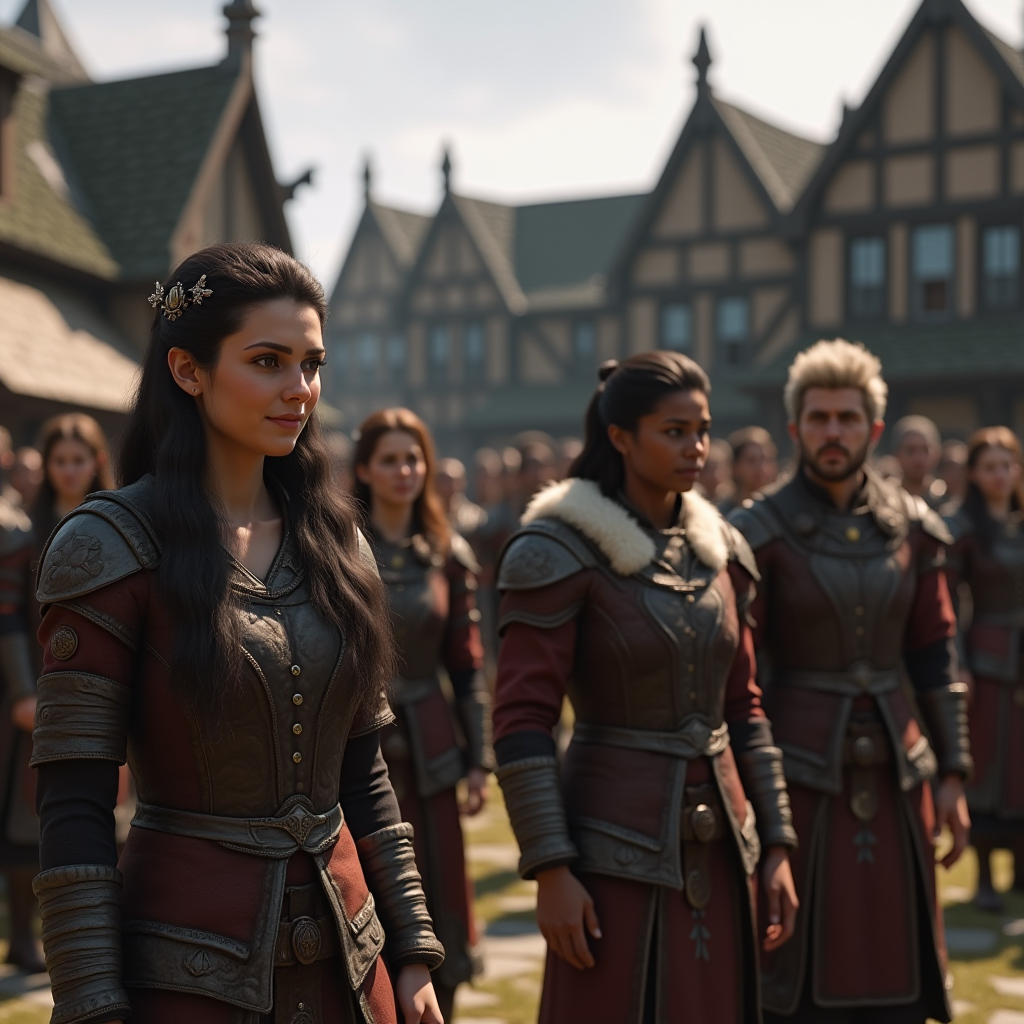
The accessibility components of the project were equally impressive. Modders created a comprehensive subtitle system with customizable fonts and backgrounds, implemented colorblind-friendly UI elements, and developed alternative solutions for puzzles that relied heavily on color or sound. They also added difficulty modifiers that allowed players to adjust combat timing and complexity without feeling like they were "cheating," recognizing that accessibility and challenge are not mutually exclusive.
What made the Skyrim Inclusivity Project particularly significant was its documentation and educational approach. The modders created detailed guides explaining their design decisions, shared their research process, and provided templates for other modders to use in their own projects. This knowledge-sharing transformed the project from a single game modification into a blueprint for inclusive modding across the industry.
The project's impact extended beyond Skyrim itself. It inspired similar initiatives for other games, demonstrated to developers that players valued inclusive features, and created a model for how fan art and loyalty could manifest as substantive social advocacy. The success of this community-driven content proved that expanding game universes to be more inclusive wasn't just possible—it was something players actively wanted and would work to achieve themselves.
Conversations and Controversies
Not all socially conscious mods have been universally celebrated. The creation and distribution of representation and accessibility mods have sparked important—and sometimes heated—conversations within gaming communities about the role of modders, the responsibilities of developers, and the nature of artistic vision versus player agency.
Some critics argue that mods which alter character representations or add inclusive options are "forcing politics into gaming" or disrespecting the original creator's vision. These criticisms often reveal deeper tensions about who gaming is "for" and what kinds of changes are considered legitimate versus ideological. Modders creating inclusive content have frequently faced harassment, with their work dismissed as "virtue signaling" rather than genuine attempts to improve games.
However, these controversies have also led to productive discussions about representation in media. Many modders have articulated thoughtful defenses of their work, explaining that adding diverse options doesn't remove existing ones—it simply expands choice. They've pointed out that all game design involves choices about representation, and that the absence of diverse options is itself a political statement, whether intentional or not.
The accessibility modding community has generally faced less controversy, though they've had to navigate different challenges. Some developers have been resistant to accessibility mods, viewing them as circumventing intended game design or "easy mode" implementations. Accessibility advocates have worked to educate both developers and players about the difference between difficulty and accessibility, emphasizing that everyone deserves the opportunity to experience games.
These conversations, while sometimes uncomfortable, have been valuable for the gaming community. They've forced players and developers alike to examine their assumptions about who games are made for, what constitutes "authentic" gaming experiences, and how creative gaming communities can contribute to making the medium more inclusive. The fact that these discussions are happening at all represents progress, even when consensus remains elusive.
Industry Impact and Future Directions
The work of socially conscious modders hasn't gone unnoticed by the gaming industry. Major studios have increasingly recognized that accessibility and representation aren't just moral imperatives—they're good business. Games with robust accessibility features and diverse character options tend to reach wider audiences and generate more positive community engagement. Many developers now cite popular mods as inspiration for official features.
Some studios have taken the progressive step of hiring modders who created notable accessibility or representation mods, bringing their expertise directly into the development process. This trend represents a significant shift in how the industry views modding—not as a threat to creative control, but as a valuable source of innovation and community insight. The relationship between professional developers and passionate modders has become increasingly collaborative.
Looking forward, the future of socially conscious modding appears bright. New tools and game engines are making modding more accessible to people without extensive programming backgrounds, potentially bringing more diverse voices into the modding community itself. This democratization of modding tools could lead to even more innovative approaches to representation and accessibility, as people with lived experience of marginalization or disability create solutions tailored to their own needs.
The rise of live-service games and ongoing content updates presents both challenges and opportunities for socially conscious modding. While these games are often more difficult to mod due to anti-cheat systems and server-side validation, they also create opportunities for developers to implement community-requested features more quickly. Some studios have begun creating official modding APIs specifically designed to support accessibility and customization mods.
Perhaps most importantly, the success of representation and accessibility mods has helped shift the conversation around game design itself. Increasingly, developers are considering these factors from the beginning of the development process rather than as afterthoughts. While there's still much work to be done, the influence of passionate modders has helped establish that inclusive design isn't a luxury or a political statement—it's simply good game design that benefits everyone.
The Power of Player-Driven Change
The story of socially conscious modding is ultimately a story about the power of community and the potential for player creativity to drive meaningful change. When official channels move too slowly or fail to address important issues, passionate players have demonstrated their willingness to step up and create the solutions themselves. This grassroots approach to improving games has proven remarkably effective, both in terms of immediate impact and long-term influence on the industry.
The modders creating representation and accessibility features aren't just improving individual games—they're helping to reshape gaming culture itself. They're demonstrating that gaming can and should be for everyone, that technical skill can be deployed in service of social good, and that fan content in gaming can be both creative and conscientious. Their work challenges the notion that games are static products to be consumed as delivered, instead positioning them as living experiences that can be adapted and improved by their communities.
As we look to the future of gaming, the lessons from socially conscious modding are clear: player communities are not just consumers but collaborators, diversity and accessibility make games better for everyone, and the most powerful tool for change is often the creativity and determination of people who refuse to accept the status quo. In the hands of passionate modders, game modding culture has become a force for positive social change, one modification at a time.
Alex Rivera
Gaming Culture Analyst & Community Advocate
Alex specializes in examining the intersection of gaming, technology, and social issues, with a focus on how player communities drive positive change through creative content and advocacy.